
Does Fiberglass Insulation Burn?
Is fiberglass insulation flammable? The short answer is that the glass fibers themselves are noncombustible, but that doesn’t mean every fiberglass insulation product is completely fireproof.
Fiberglass insulation is made from fine glass fibers that slow heat transfer through walls, ceilings and attic floors. Glass doesn’t readily ignite under normal conditions, making fiberglass a common choice for residential insulation. However, finished insulation products may contain other materials that behave differently when exposed to heat or flames.
For example, some fiberglass batts include kraft-paper or foil facing, while binders may be used to hold the fibers together. These additional materials can affect how a particular product responds to fire.
This distinction matters when you’re insulating an attic. A material that doesn’t readily burn can still be installed incorrectly near a heat source, and combustible materials surrounding it can create a fire hazard.
So, does fiberglass insulation burn? The answer depends on which part of the product you’re talking about, its construction and the conditions in which it’s installed.
It’s also important to distinguish between fire resistance and fireproofing. Fire-resistant materials can help limit ignition or the spread of fire under specified conditions, but that doesn’t make an entire attic fireproof. Proper installation, safe clearances and compliance with building codes remain essential.
The Part That Can Burn: Facings and Old Debris
Fiberglass batts are available with different facings, including unfaced products, kraft-paper-faced batts and certain foil-faced products. The facing can serve as a vapor retarder or provide another function specified by the manufacturer.
Kraft paper is combustible. If it comes into contact with a sufficiently hot surface or an open flame, it can ignite even though the glass fibers surrounding it don’t readily burn.
This is why insulation facing needs particular attention around recessed lights, chimneys and flue pipes. Installing fiberglass near these components without following the required clearances can create a hazard.
Foil-faced insulation also needs to be installed according to its product specifications. Don’t assume that a facing is safe for direct contact with hot equipment simply because it looks metallic or reflective.
Older attic insulation presents another consideration. Dust, leaves, cardboard, paper, nesting materials and other debris can accumulate around insulation over time. These materials may be combustible and can increase the amount of fuel available if a fire starts.
The insulation itself may also have been disturbed by previous electrical work, roof repairs or storage activities. Gaps, compressed sections and misplaced batts can indicate that the attic needs attention.
If you’re unsure what type of insulation is installed, check for product labels or documentation before making changes. Avoid pulling apart old insulation unnecessarily, particularly around electrical wiring or fixtures.
The U.S. Department of Energy’s insulation guidance provides information on insulation materials, installation and safety considerations. Following the manufacturer’s instructions is important because different products have different requirements.
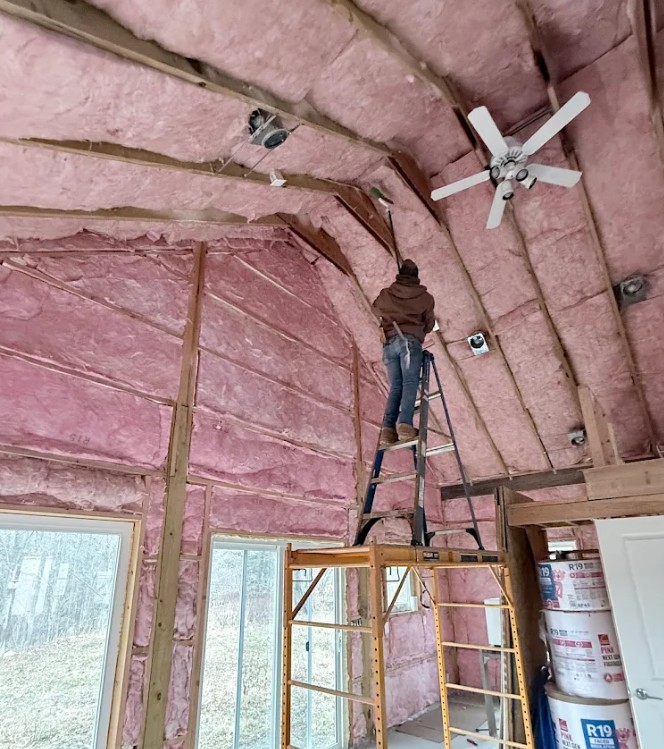
Clearances Around Lights, Chimneys and Flues
One of the most important attic safety checks is identifying where insulation sits in relation to heat-producing equipment.
Recessed lights
Some recessed light fixtures are designed and listed for insulation contact. These are commonly marked IC-rated. Other fixtures require a specified clearance between the fixture and insulation.
Never assume that a recessed light is safe to cover just because fiberglass is noncombustible. The fixture’s operating temperature, surrounding components and installation requirements all matter.
Check the fixture’s label and manufacturer’s instructions. If the rating is unclear or inaccessible, have a qualified electrician determine the appropriate clearance before adding or moving insulation.
Don’t bury a fixture under insulation unless its listing and installation instructions permit it.
Chimneys and flue pipes
Chimneys and flues can reach temperatures that make nearby combustible materials dangerous. Kraft-paper facing must not be placed against these components, and insulation must not be installed in a way that violates the required clearance.
The correct clearance depends on the type of chimney or vent, its listing and the applicable building and mechanical codes. A factory-built chimney, for example, may have different requirements from a masonry chimney.
Don’t fill a required clearance with fiberglass, spray foam or other materials unless the specific installation is approved for that use.
Where a clearance needs to be maintained, the solution may involve an appropriate noncombustible barrier or other approved construction detail. This should be determined from the appliance or chimney manufacturer’s instructions and applicable codes, rather than improvised in the attic.
Electrical wiring and other equipment
Insulation work can also affect electrical components, junction boxes and equipment that requires access for inspection or maintenance.
Don’t cover electrical connections or install insulation against equipment contrary to its listing. If wiring appears damaged, fixtures are unusually hot or there are signs of scorching, stop work and arrange an inspection by a qualified professional.
These precautions are especially important when adding insulation to an older attic, where previous installations may not meet current requirements.
Fiberglass vs. Cellulose vs. Spray Foam on Fire Safety
Fiberglass, cellulose and spray foam can all provide insulation, but their fire behavior differs. The product’s formulation, installation and surrounding materials must be considered rather than relying on the material name alone.
Fiberglass insulation: The glass fibers are noncombustible. However, facings and some binders may be combustible. Correct clearances around heat sources are still necessary.
Cellulose insulation: Cellulose is made primarily from processed plant fibers, so the base material is combustible. Insulation products are commonly treated with fire-retardant chemicals to improve their fire performance. That treatment doesn’t make cellulose fireproof, and the product must still be installed according to its specifications.
Blown-in cellulose may be suitable for certain attic applications. Before choosing it, compare the product’s fire-performance information, required clearances and installation instructions. You can learn more about cellulose insulation when comparing blown-in options.
Spray foam insulation: Spray polyurethane foam is a plastic-based material. Its response to fire varies by formulation and product testing, but it should not be assumed to be noncombustible. Depending on the application and applicable code, foam plastic insulation generally requires an approved thermal barrier or another specifically permitted protective assembly separating it from the interior.
A thermal barrier is intended to delay heat transfer to the foam and reduce the risk of early involvement in a fire. It doesn’t make spray foam fireproof.
For all three materials, follow the manufacturer’s installation requirements and the applicable building code. The best choice depends on the attic’s design, the required thermal performance, moisture conditions, budget and fire-safety details.
If you’re comparing products for an existing home, professional advice can help identify the appropriate insulation type and installation method. HD Solutions offers fiberglass insulation for property owners considering insulation improvements.
A Five-Minute Attic Safety Check
Before adding insulation or storing items in your attic, take a few minutes to look for potential hazards. Only enter the attic if access is safe. Use a stable access ladder, adequate lighting and appropriate protective equipment. Don’t step on unsupported ceiling drywall or joists that aren’t designed as a walking surface.
Use this checklist as a starting point:
- Look for combustible facing. Identify any kraft-paper-faced batts and check whether the facing is near lights, chimneys, flues or other heat sources.
- Check recessed lights. Look for accessible IC-rating labels and installation instructions. Don’t cover fixtures unless the listing permits insulation contact.
- Inspect chimney and flue clearances. Look for insulation, paper or stored materials touching these components. Don’t move materials around hot equipment without confirming the correct procedure.
- Look for debris. Remove ordinary loose debris only when it can be done safely. Arrange professional help if debris is near wiring, heat sources or damaged building components.
- Check for scorching or unusual heat. Discoloration, a burning smell or visible damage around fixtures warrants prompt professional assessment. If you suspect an active fire or immediate danger, leave the area and contact emergency services.
- Keep attic ventilation clear. Make sure insulation isn’t blocking intended eave vents or other ventilation openings in a vented attic. Follow the attic’s design and applicable installation guidance.
- Review the insulation’s condition. Look for displaced batts, exposed facing, gaps and signs of water damage. Don’t cover existing problems with another layer of insulation.
A quick visual check can identify issues, but it doesn’t replace a professional inspection where clearances, wiring or chimney construction are uncertain.
Fiberglass insulation can be a practical choice for improving a home’s thermal performance, and its glass fibers don’t readily burn. Still, the complete installation matters. Combustible facings, nearby debris and unsafe clearances can undermine an otherwise suitable insulation system.
If your attic insulation needs replacing or upgrading, work with qualified fiberglass insulation installers in New York who can evaluate the existing conditions, select suitable materials and install them according to applicable requirements.