
Most Western New York attics we open weren’t insulated once. They were insulated three or four times, by three or four different owners, and some of that material has been up there since the 1970s. When it’s flattened, wet, full of droppings or hiding vermiculite, piling more on top doesn’t fix anything. It buries the problem. Our insulation removal crews in Falconer pull the old material out with high-powered debris vacuums and HEPA filtration, so the attic is clean, dry and ready before a single new bag goes in.
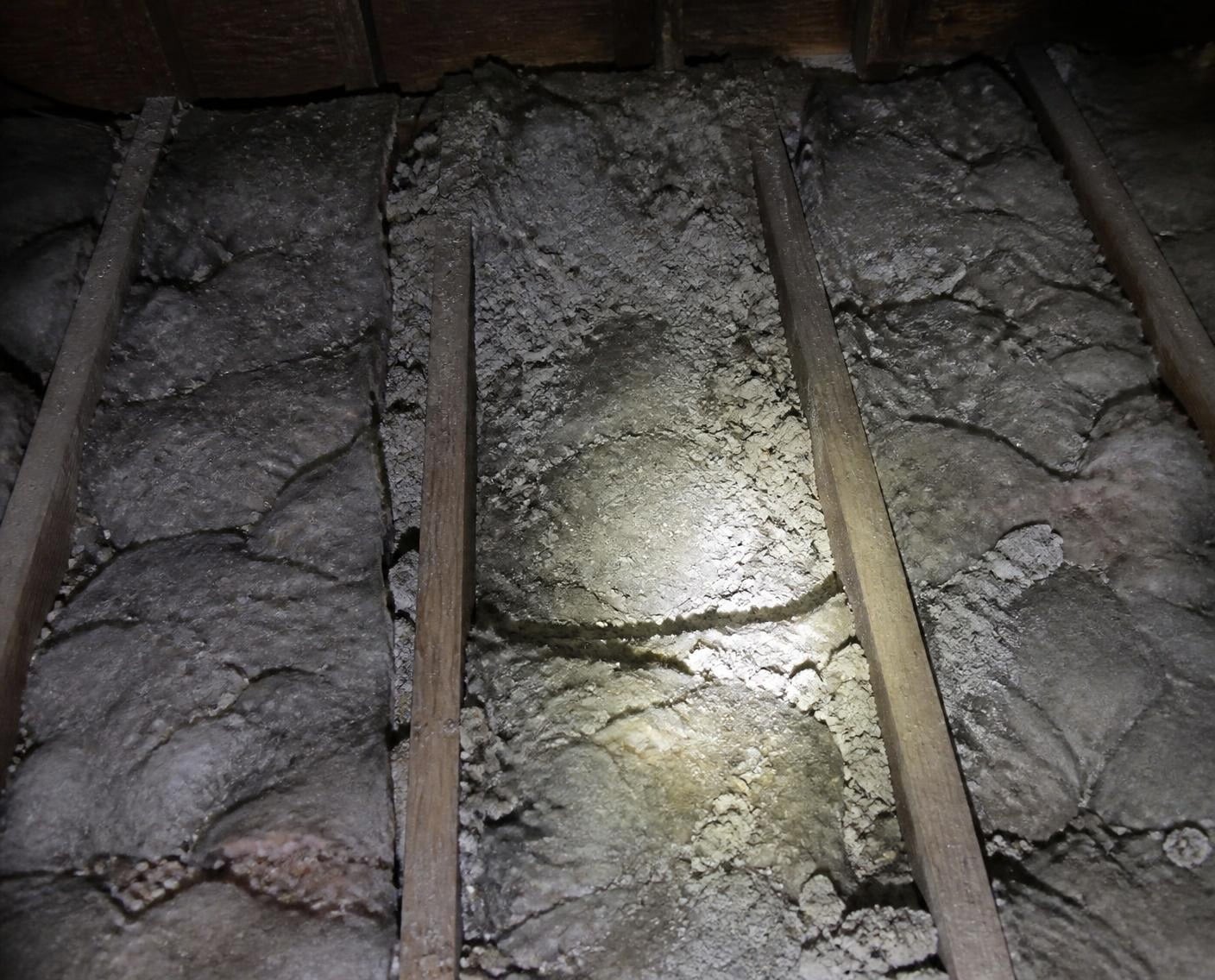
Fiberglass batts that have gone grey and compressed. Loose cellulose that’s settled into a damp crust. Old spray foam that’s pulled away from the rafters. Blown-in material that was installed over a wiring or ventilation problem nobody fixed. We take all of it out, along with the dust, nesting material and construction debris that tends to collect with it.
Why bother, if some of it still looks fine? Because insulation only works when it’s dry, lofted and continuous. A layer that’s been crushed to half its depth has lost roughly half its R-value, and in a Lake Erie snow belt winter that gap shows up on the heating bill every single month. Removal also lets us see the attic floor, which is where the air leaks, water stains and pest entry points actually live.
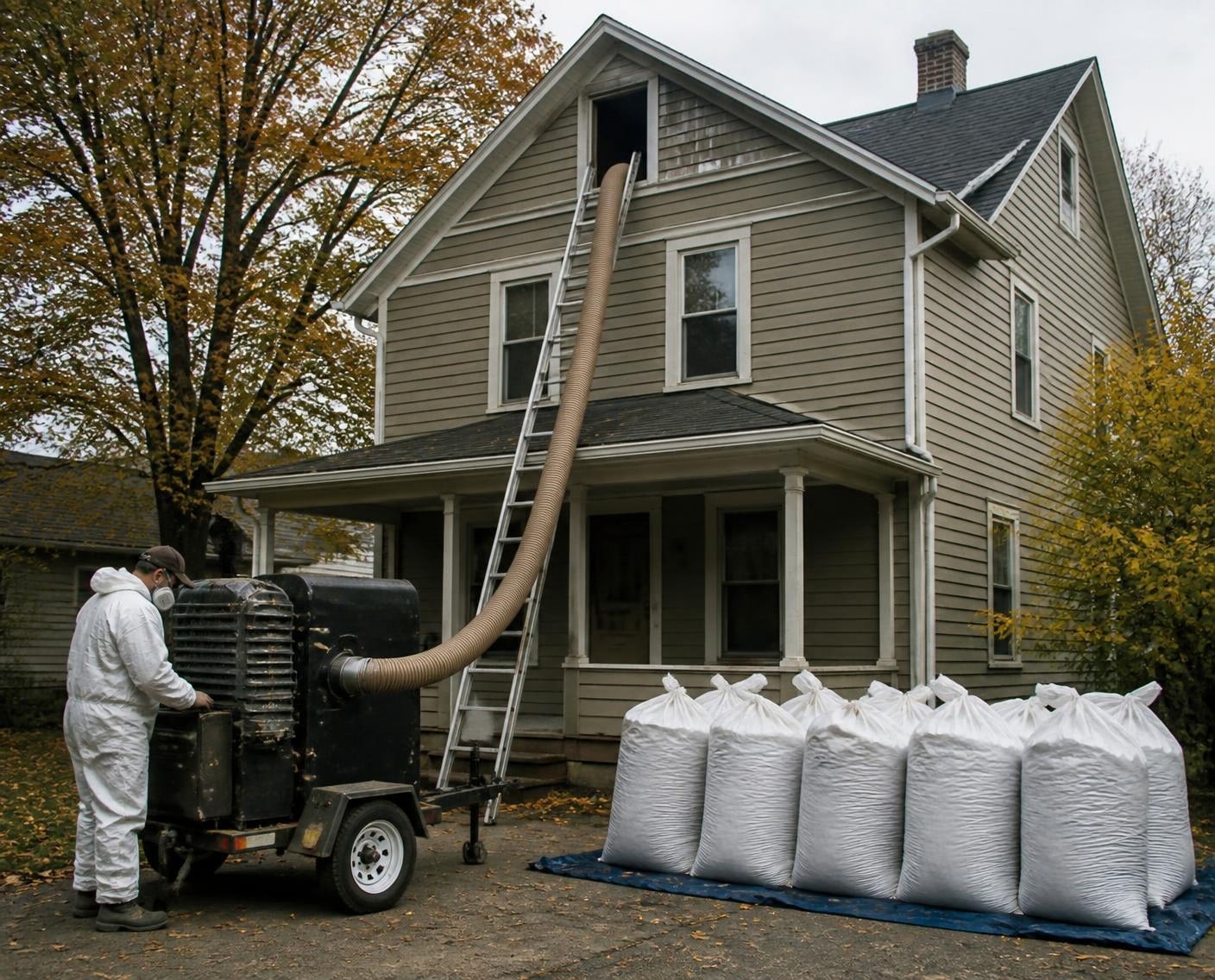
Removal is mostly vacuum work. The old material is pulled out through a large hose into collection bags, which keeps it off your stairs and carpets instead of being carried down through the house in armfuls. We protect the attic hatch and the route to it, and nothing gets dumped in the yard.
Most single-family attics are cleared in a day. Bigger attics, deep layers of cellulose or rodent contamination can push that to two. You don’t normally need to move out for a standard removal, although we’ll ask you to keep kids and pets away from the work area while the hose is running. Abatement jobs are different: the contained area is off limits until the work is signed off.
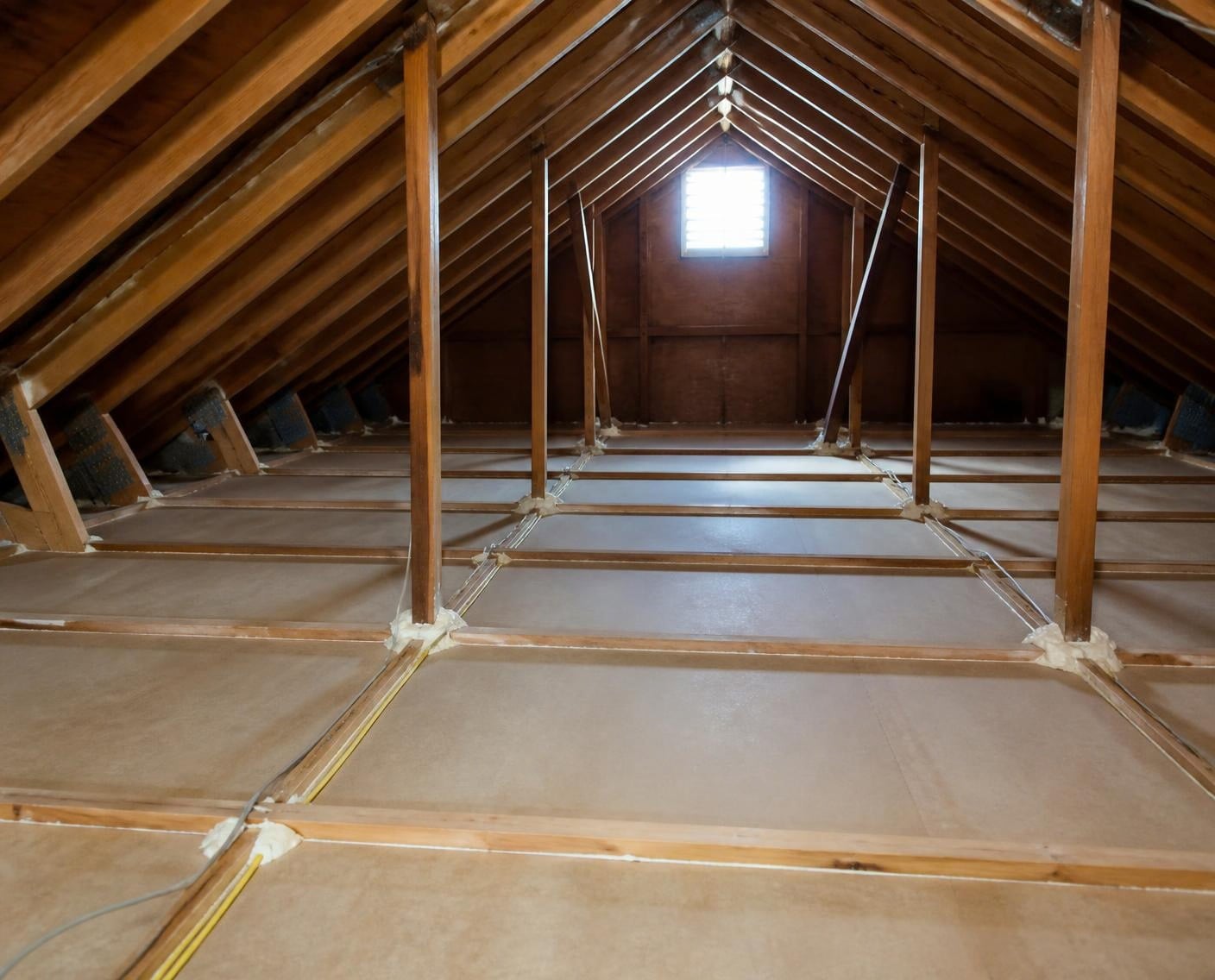
Once it’s clear, we vacuum the bays, walk you through what we found and photograph anything that needs attention: a leaking vent stack, a bath fan venting into the attic, a hole where the squirrels came in. Fixing those before re-insulating is what stops the same problem coming back.

Mice and squirrels love old insulation. They tunnel through it, nest in it and leave urine and droppings that soak in and stay there. Once that happens, the material holds odors and allergens directly over your living space, and no amount of new insulation on top will seal them in. It has to come out.
Moisture is the other big one. Ice dams, a slow roof leak or a bathroom fan venting into the attic will wet the insulation from above or below. Wet cellulose mats down and wet fiberglass stops insulating almost completely. Left long enough, it feeds mold on the sheathing and joists. We remove the damaged material, bag it, vacuum the bays and flag the moisture source so it’s fixed before anything new is installed. If there’s structural mold, we prepare the space so a remediation specialist can finish the job properly.
A lot of older homes around Jamestown and the Southern Tier still have vermiculite in the attic: the pebbly, grey-brown fill that was sold for decades as Zonolite. Much of it was contaminated with asbestos. If you see it, don’t disturb it, don’t vacuum it with a shop vac and don’t let anyone lay new insulation over it.
In New York, asbestos work is regulated by the state Department of Labor, and it has to be handled by licensed abatement professionals. HD Solutions partners with certified abatement contractors for this work, with the area contained, air controlled through HEPA filtration and the material transported and disposed of correctly. For homes built before 1978, our own team is Lead-Safe Certified and follows EPA lead-safe practices: containment, HEPA vacuuming, testing documentation and proper disposal.


We don’t quote removal off a phone call, because the price swings on things you can’t see from the street. The main drivers are the square footage of the attic, how deep the old material is, what it is (loose fill vacuums out faster than matted batts or foam), how easy the attic is to get into, and whether anything in it is contaminated. Rodent waste adds sanitizing time. Vermiculite changes the job completely, because it moves into abatement.
What keeps the total down is doing removal and re-insulation as one project. The attic is already open, the crew is already there, and air sealing the bare attic floor takes a fraction of the time it would once new insulation is down. You get one written quote covering the lot, so there are no surprises halfway through.
It’s also worth knowing when removal isn’t needed. If the existing insulation is dry, clean and just too thin, it stays, and we add on top. Paying to strip good material is money wasted, and we’d rather tell you that than sell you the bigger job.
Stripping an attic back to the joists is the best chance you’ll ever get to do it properly. With the old material gone, we seal the top plates, wiring holes and chases that leak warm air, check the ventilation baffles, and then bring the attic up to R-49 or better, which is what the Department of Energy recommends for Western New York’s climate zones. Most homes get blown-in insulation for full, even coverage. Where the framing suits it, batt insulation is the better fit. We’ll tell you which once we’ve seen it.
Our New York crew works out of Falconer and handles insulation removal and attic clean-outs for homeowners, landlords and contractors across Falconer, Jamestown, Ellicottville, Gowanda, Hamburg, Olean, Mayville and Fredonia, plus the wider Chautauqua and Cattaraugus County area. Commercial jobs too. Over the state line? Our Cochranton crew covers insulation removal in Pennsylvania.
We’ll get up in the attic, tell you what’s there, what condition it’s in and whether it actually needs to come out. Sometimes it doesn’t, and we’ll say so. You’ll get the quote in writing, removal and re-insulation priced together. No charge for the look. Book your free estimate.