
When homeowners start researching insulation upgrades, one question comes up immediately: what is the real spray foam insulation cost, and is it actually worth it?
Compared to traditional options like fiberglass or blown-in insulation, spray foam often comes with a higher upfront price. However, focusing only on initial cost can be misleading. The real value lies in long-term energy savings, durability, and overall home performance.
This guide breaks down everything you need to know about spray foam insulation pricing, including cost factors, comparisons, and return on investment, so you can make a smart, financially sound decision.
What Is Spray Foam Insulation?
Spray foam insulation is a chemical-based material that expands upon application, filling gaps, cracks, and cavities. Unlike traditional insulation, it doesn’t just slow heat transfer. It also seals air leaks.
There are two main types:
Open-Cell Spray Foam
- Lower cost option
- Softer, flexible structure
- Good for interior applications
Closed-Cell Spray Foam
- Higher cost but higher R-value
- Rigid and dense
- Provides moisture barrier and structural strength
Both types influence the total spray foam insulation cost, depending on where and how they are used.
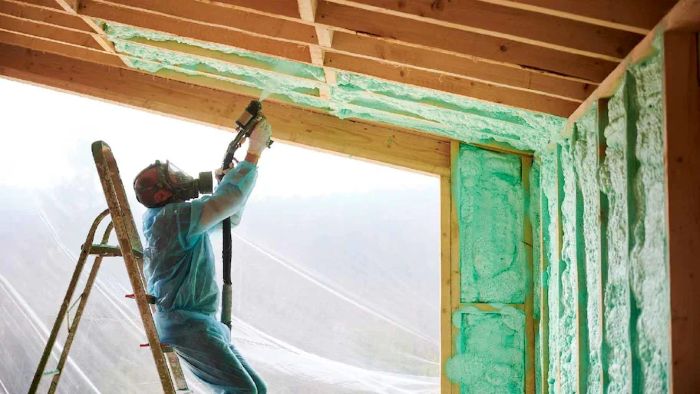
Average Spray Foam Insulation Cost
The cost of spray foam insulation varies depending on several factors, but here are general benchmarks:
- Open-cell spray foam: lower price range per board foot
- Closed-cell spray foam: higher price due to density and performance
- Whole-home insulation: significantly higher total investment depending on size
Most homeowners can expect spray foam to cost more than fiberglass or blown-in insulation upfront, but that doesn’t tell the full story.
What Affects Spray Foam Insulation Cost?
Understanding pricing variables helps explain why quotes can vary significantly.
1. Size of the Area
Larger homes require more material and labor, increasing total cost. Attics, walls, crawl spaces, and basements all contribute to overall pricing.
2. Type of Spray Foam
- Open-cell is more affordable
- Closed-cell is more expensive but delivers better insulation and moisture resistance
Choosing between them directly impacts your total spray foam insulation cost.
3. Installation Complexity
Hard-to-reach areas, irregular spaces, and existing structures increase labor time and difficulty, raising costs.
4. Thickness and R-Value Requirements
Higher R-values require more material. For example:
- Attics often need thicker insulation
- Walls may require less depth
More material equals higher cost, but also better performance.
5. Labor and Professional Installation
Spray foam requires trained professionals and specialized equipment. This contributes to higher upfront costs compared to DIY-friendly insulation like batt.
Spray Foam vs Traditional Insulation Cost
To properly evaluate spray foam insulation cost, it’s important to compare it with other insulation options.
Spray Foam vs Fiberglass (Batt)
Fiberglass insulation:
- Lower upfront cost
- Easier to install
- Minimal air sealing
Spray foam:
- Higher upfront cost
- Superior insulation and air sealing
- Longer lifespan
While fiberglass is cheaper initially, it may lead to higher energy costs over time.
Spray Foam vs Blown-In Insulation
Blown-in insulation:
- Moderate cost
- Good coverage
- Limited air sealing
Spray foam:
- Higher cost
- Better performance and durability
Blown-in works well for attics, but spray foam provides a more complete insulation solution.
For a full breakdown of insulation types, reference your internal guide on comparing spray foam, batt, and blown-in insulation.
Is Spray Foam Insulation Worth the Cost?
This is where the conversation shifts from price to value.
1. Energy Savings
Spray foam significantly reduces air leaks, which are one of the biggest causes of energy loss in homes.
Homeowners often experience:
- Lower monthly energy bills
- Reduced HVAC usage
- More consistent indoor temperatures
Over time, these savings can offset the initial spray foam insulation cost.

2. Long-Term Durability
Unlike traditional insulation, spray foam:
- Does not sag or settle
- Maintains performance over time
- Requires little to no maintenance
This reduces the need for future replacement costs.
3. Moisture and Mold Resistance
Closed-cell spray foam acts as a moisture barrier, helping prevent:
- Mold growth
- Water damage
- Structural issues
This adds another layer of long-term value.
4. Increased Home Value
Energy-efficient homes are more attractive to buyers. Spray foam insulation can:
- Improve resale value
- Enhance overall home performance
- Appeal to energy-conscious buyers
5. Air Quality Improvement
By sealing gaps and cracks, spray foam helps reduce:
- Dust
- Allergens
- Outdoor pollutants
This creates a healthier indoor environment.
When Spray Foam Makes the Most Sense
Spray foam insulation is a strong investment in the following scenarios:
- Homes with high energy bills
- Properties in hot or humid climates
- New construction projects
- Major renovation or remodeling
- Homes with air leakage issues
If your goal is long-term efficiency and comfort, spray foam often justifies its higher cost.
When It May Not Be the Best Option
Despite its benefits, spray foam isn’t always necessary.
It may not be ideal if:
- You’re working with a very limited budget
- The project is small and low impact
- Basic insulation performance is sufficient
In these cases, fiberglass or blown-in insulation may be more practical.
ROI: Breaking Down the Real Value
Return on investment is the key factor in evaluating spray foam insulation cost.
Instead of focusing on upfront price, consider:
- Energy savings over 5 to 10 years
- Reduced maintenance and replacement costs
- Increased property value
- Improved comfort and livability
When these factors are combined, spray foam often delivers a strong ROI compared to traditional insulation options.
Final Thoughts
The spray foam insulation cost may seem high at first, but when evaluated through the lens of performance, durability, and long-term savings, it becomes a strategic investment rather than just an expense.
For homeowners looking to reduce energy bills, improve comfort, and increase property value, spray foam insulation stands out as one of the most effective solutions available.
The key is understanding your home’s specific needs and aligning your insulation choice with long-term goals.
FAQ: Spray Foam Insulation Cost
How much does spray foam insulation cost compared to fiberglass?
Spray foam typically costs more upfront than fiberglass, but it offers better insulation performance and long-term energy savings.
Is spray foam insulation worth the investment?
Yes, for many homeowners, the energy savings, durability, and improved comfort make spray foam a worthwhile investment.
How long does spray foam insulation last?
Spray foam insulation can last for decades without losing effectiveness, unlike traditional insulation that may need replacement.
Can spray foam reduce energy bills?
Yes, by sealing air leaks and improving insulation efficiency, spray foam can significantly lower monthly energy costs.
Which is better: open-cell or closed-cell spray foam?
Open-cell is more affordable and flexible, while closed-cell offers higher insulation performance and moisture resistance.
How do I get an accurate spray foam insulation quote?
The best way is to request a professional assessment based on your home’s size, layout, and insulation needs.
Who should I hire for spray foam insulation installation?
Work with experienced insulation contractors who specialize in spray foam to ensure proper installation and maximum performance.
How do I get started with spray foam insulation?
Start by scheduling a consultation with a professional contractor to assess your home and provide a customized quote based on your needs.